
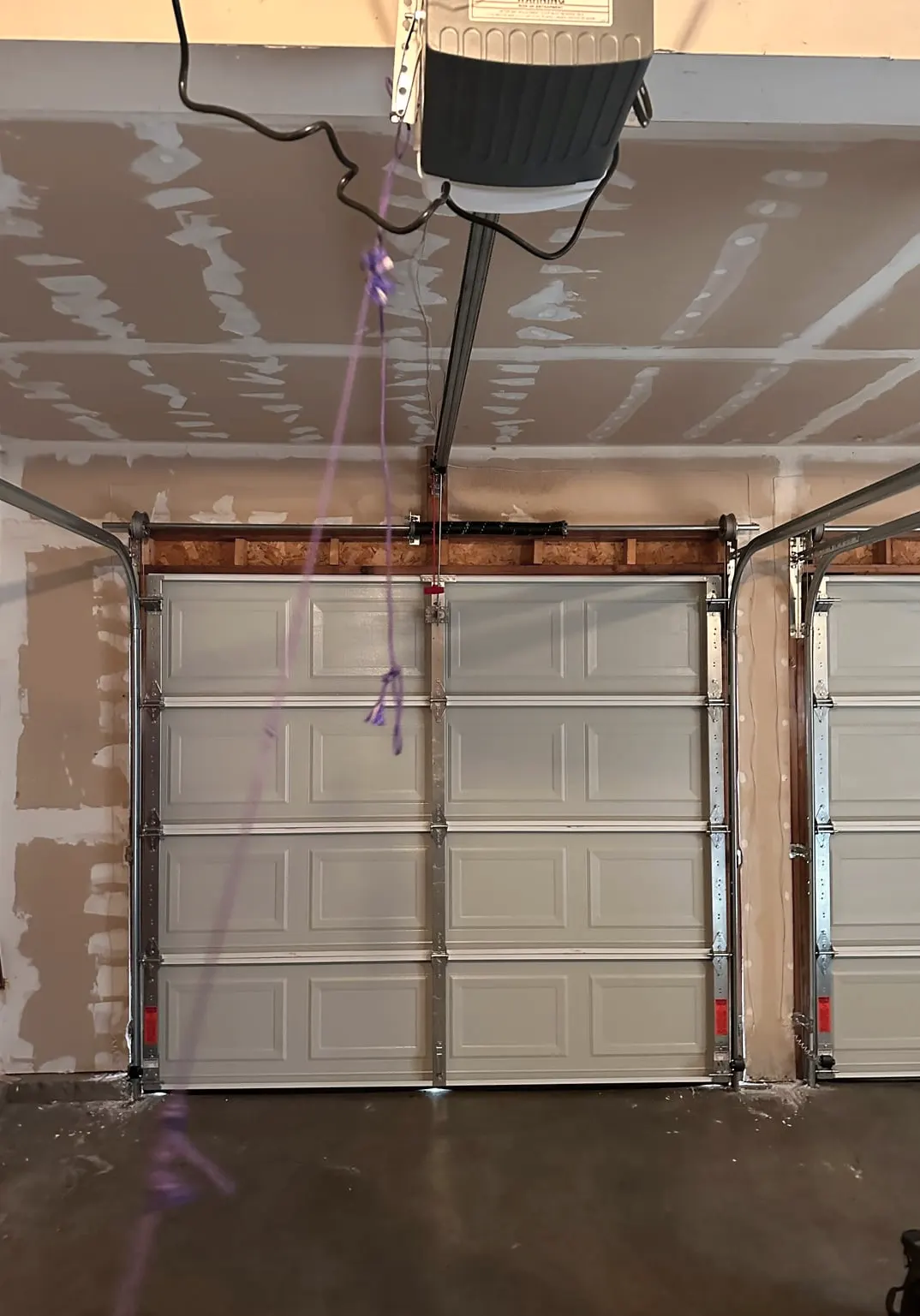
The Moment You Notice It
You pull into the driveway, hit the remote, and the door starts down—then stops a foot off the floor and rattles back up. Or maybe it won't close at all, and you're standing in the garage squinting at two small lights near the bottom of the tracks, one solid, one blinking. That blinking light is your photo-eye safety sensor telling you something is in the way of its beam, even when nothing obviously is.
These two little sensors, mounted a few inches off the ground on either side of the door, are easy to ignore until the day they stop working. Then they become the only thing standing between a smooth evening routine and a door that won't budge.
What the Photo Eyes Actually Do
The sensors send an invisible infrared beam across the garage opening. As long as that beam is unbroken, the opener knows it's safe to close the door. If something crosses the beam—a pet, a stored bike, a kid's bouncing ball—the door stops and reverses instead of coming down on top of it. It's a simple system, but it's done exactly what it was designed to do for decades: keep a two-hundred-pound door from closing on something it shouldn't.
Why They Trip More Often This Time of Year
Heading into winter in this part of Indiana, a few things conspire against these sensors:
- Road salt and grime. Vehicles tracking in salt spray and slush leave a fine film on everything near floor level, including the sensor lenses. A thin layer is enough to weaken the beam.
- Condensation and frost. Big swings between a warmer garage and a cold snap can fog or frost the lens surface overnight.
- Bumped brackets. Snow blowers, shovels, holiday decorations, and extra vehicles parked tighter in the garage all increase the odds of a sensor bracket getting nudged out of alignment.
- Low winter sun. When the sun sits low on the horizon, direct light angling through a window or open door can wash out the receiver and cause false readings, especially in the late afternoon.
- Spiders and debris. A web spun overnight across the beam path, or a leaf blown in during a fall storm, can trip the sensor just as easily as dirt can.
If the door reverses before fully closing, stops partway, or simply refuses to close with no error on the opener itself, the photo eyes are the first place to look.
How to Clean and Align Them
- Power down first. Unplug the opener or switch off the circuit before you start wiping down electronics near a moving door.
- Wipe both lenses gently. Use a soft, dry microfiber cloth. Avoid household glass cleaner, which can leave a residue that scatters the beam just as much as dirt does.
- Check both LED indicators. Most openers show a solid light on one sensor and a solid or blinking light on the other when aligned. Check your opener's manual for the exact pattern, since it varies by brand.
- Loosen and nudge if misaligned. Each sensor bracket typically has a wing nut or thumbscrew. Loosen it slightly, adjust the angle a fraction at a time, and watch the indicator light until it goes solid.
- Clear the beam path. Make sure nothing—storage bins, a leaned ladder, a pet bed—sits anywhere between the two sensors, even temporarily.
- Re-test with the remote and the wall button. Confirm the door closes fully and reverses properly when you wave something through the beam.
When Not to Bypass Them
Some opener models have a setting or a manual button that lets the door close without the sensors engaged, meant for troubleshooting only. It's tempting to use it as a permanent fix when the sensors keep giving you trouble. Don't. With the beam disabled, the door will close on anything in its path—a child, a pet, a car bumper, your own foot—with no warning and no reversal. A misaligned sensor is an annoyance; a bypassed one is a liability sitting in your garage. If cleaning and realignment don't solve it, the sensor, the wiring, or the opener's logic board likely needs attention, not a workaround.
When to Call Greenwood Garage Door Pro
If you've cleaned and aligned the sensors and the door still won't close reliably, or the indicator lights won't go solid no matter how you adjust them, the issue may be frayed wiring, a failing sensor unit, or an opener that's reaching the end of its life. Our Garage Door Maintenance & Tune-Up visits include a full sensor and alignment check as part of the service, and our Garage Door Opener Repair & Installation work covers everything from a single sensor swap to a full opener replacement if that's what the system actually needs.
Don't leave a safety feature guessing. Call Greenwood Garage Door Pro today and let us get your sensors—and your whole door—working the way they're supposed to, before winter makes a small issue a bigger one.